
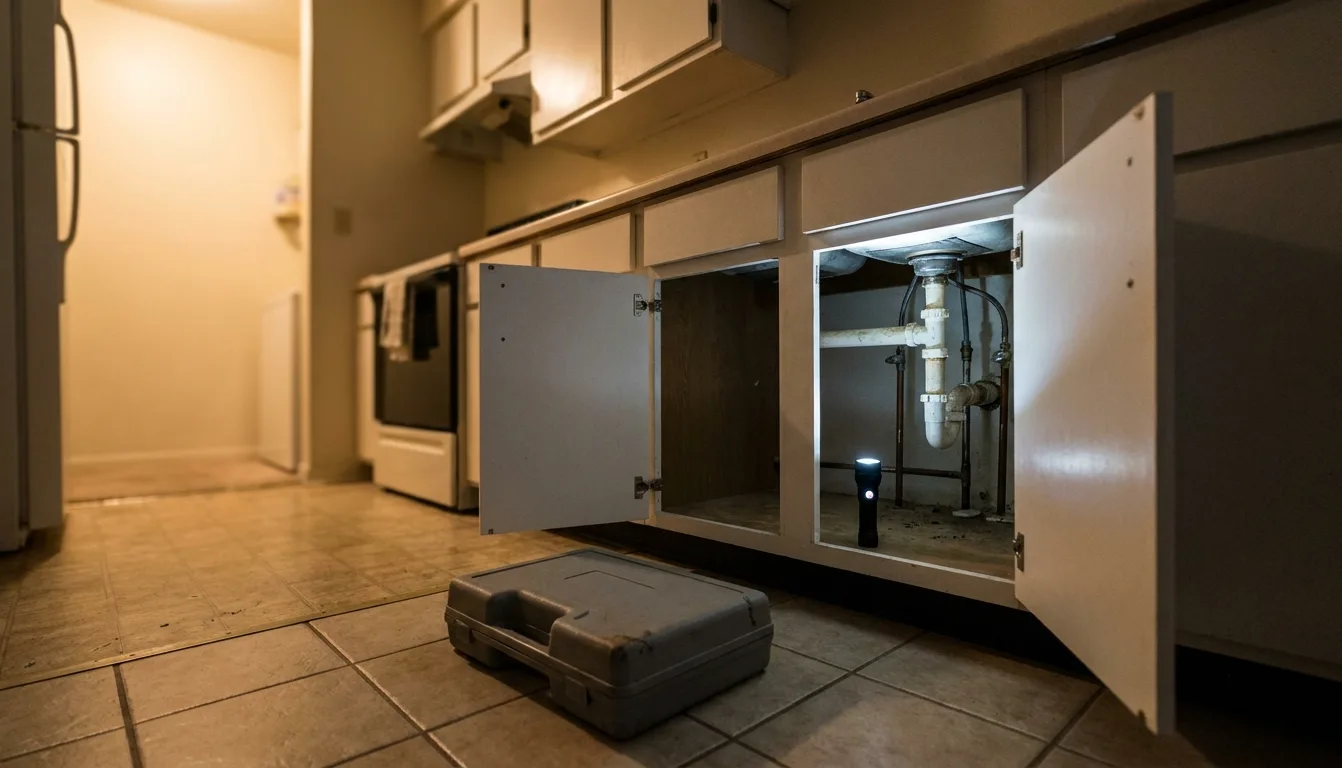
Cockroach Control in West Orange, NJ
Species identification, targeted baiting and sealing for West Orange kitchens, apartments and businesses. Free estimate, written scope.


Species First, Then Treatment
A single large roach in a West Orange basement and a colony in the kitchen are opposite problems. We identify which one you have before anything is applied.
Moisture and Entry Points
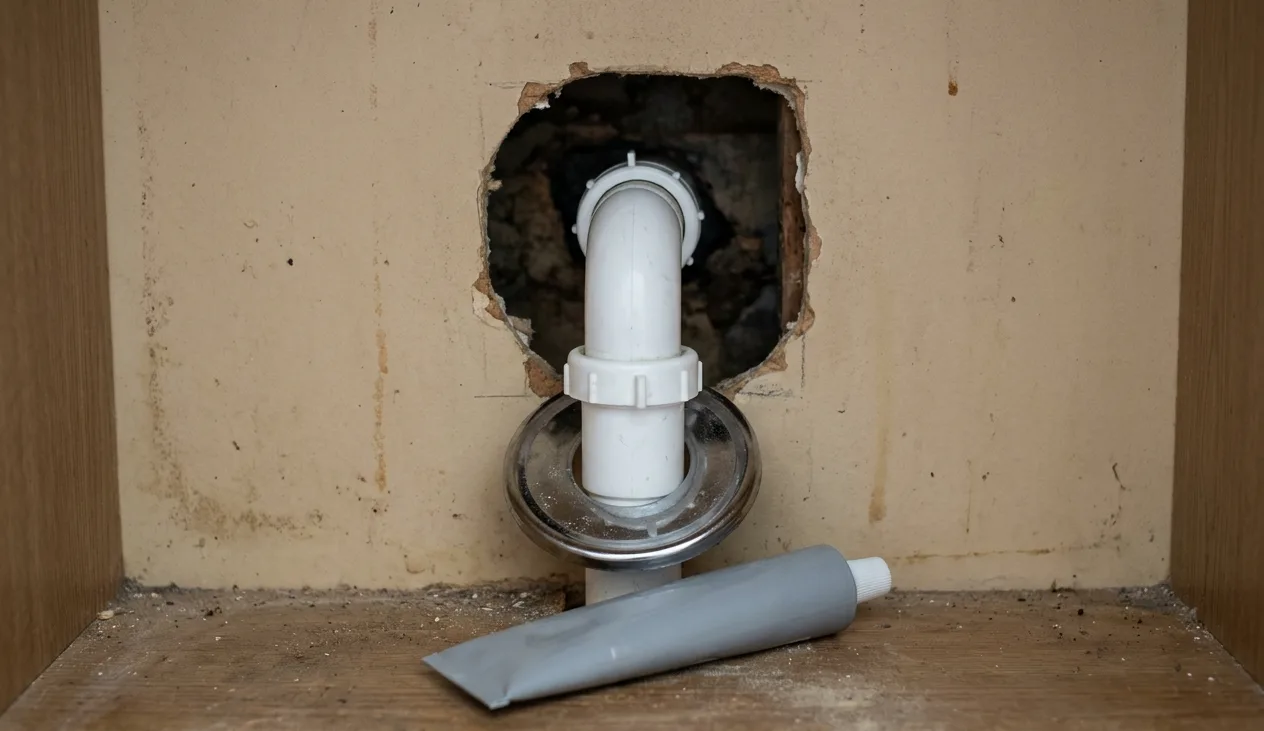
Oriental and American roaches follow damp — sump pits, crawlspaces, leaking hose bibs. Fixing the water and sealing the gaps is most of the job.
Kitchen Clean-Outs Done Properly
German roaches arrive in groceries, appliances and moving boxes. Bait placement, growth regulators and a timed follow-up visit end them rather than thin them.
Local Cockroach Control for West Orange Property Owners
We are a pest control company working across Essex County, and West Orange is one of the places we are called to most often. What follows is what we actually know about cockroach control here — the building types, the conditions that drive it, and the local rules — rather than a page of stock copy with a place name dropped into it.
If something is turning up in your West Orange home or business, call (862) 256-6829 for an inspection. You will get an honest read on what is there and a written estimate before anything is scheduled.
West Orange, NJ at a Glance
West Orange sits in Essex County at roughly 443 feet above sea level and is home to about 48,843 people. Those numbers matter more than they look: density, elevation and age of the housing stock are the three things that decide which pests a place actually gets.
| Population | 48,843 (2020 Census) |
|---|---|
| County | Essex County, NJ |
| Elevation | 443 feet above sea level |
| ZIP codes | 07052 |
Population from the 2020 US Census. Elevation, ZIP and founding data via Wikidata.
Cockroach Risk Factors in West Orange
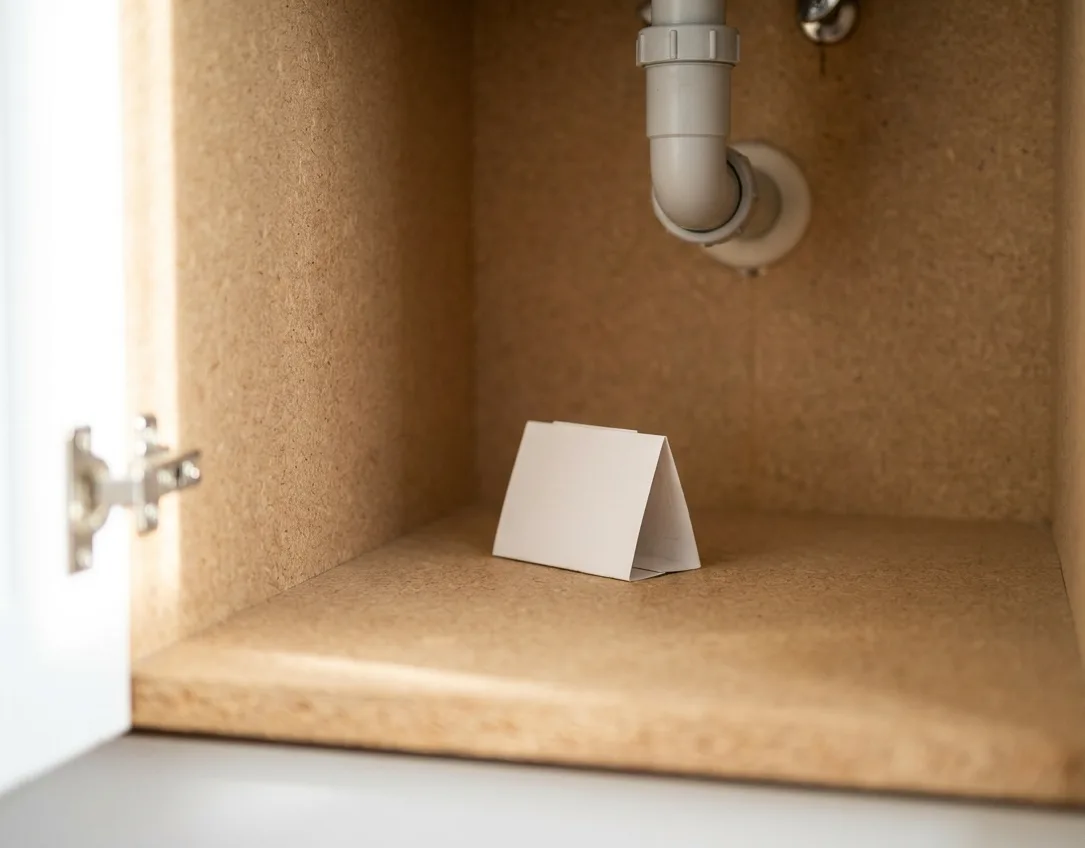
The indoor cockroach is not weather-driven. The German cockroach — the one that breeds in kitchens and bathrooms — lives its entire life indoors at room temperature, so there is no cold snap that will end it and no quiet season to wait for. What decides risk is the building: shared plumbing, moisture, food and how goods and people move in and out.
- Groceries, deliveries and second-hand appliances. In detached housing the German cockroach almost always arrives in something carried in — cardboard, a used refrigerator or microwave, a box from a storage unit.
- Damp basements and sump pits. Oriental and American cockroaches need water. A wet basement, an open sump or a leaking washing-machine line is what holds them.
- Crawlspaces and mulch against the foundation. Deep mulch, leaf litter and ivy against the sill keep the soil line damp and give outdoor roaches cover right beside an entry point.
- Workplaces and school bags. People who work in food service or older multi-family buildings can bring an egg case home without knowing it.
The genuine seasonal element belongs to the large outdoor-breeding species. American cockroaches come up from sewers and steam lines in hot, humid spells and after heavy rain, and Oriental cockroaches move into damp cellars in spring. A single large roach in August is a different problem from small ones in the kitchen in February.
We cover ZIP 07052 across West Orange.
German, American, Oriental or Brown-Banded — Which One You Have
Four species account for almost every call, and they split into two groups that need opposite strategies: one breeds inside your building, the others breed outside it and wander in.
German cockroach (Blattella germanica). Small, about 13 to 16mm, light brown with two dark parallel stripes behind the head. The apartment and restaurant roach. It lives entirely indoors near warmth, food and water — behind refrigerators, under sinks, inside cabinet hinges and appliance motors. A female carries her egg case until it is about to hatch, protecting 30 to 40 eggs from most treatments, which is why populations recover so quickly.
American cockroach (Periplaneta americana). Large, 35 to 40mm, reddish brown, often called a "waterbug" locally. Breeds in sewers, steam tunnels, boiler rooms and wet basements and comes up through floor drains and cellar openings. One seen upstairs means a route from below, not an infested kitchen.
Oriental cockroach (Blatta orientalis). About 25mm, shiny, very dark brown to black, slow-moving and unable to climb smooth surfaces well. Lives in damp cellars, crawlspaces, drains and under mulch, and tolerates cooler conditions than the others — the one you find in a cold basement in spring.
Brown-banded cockroach (Supella longipalpa). Small like the German, but with two pale bands across the wings, and prefers dry, warm, high places — electronics, upper cabinets, picture frames — so kitchen-only treatment misses it.
Signs worth knowing: droppings like ground pepper or coffee grounds along cabinet edges, empty egg cases, shed skins, and a musty, oily smell in heavy infestations.
Where Roaches Come From in a Detached House
In detached and suburban housing the question splits cleanly in two: did something come in with a delivery, or is something coming in from outside?
- Carried in. German and brown-banded cockroaches almost always arrive in something brought into the house — grocery and delivery cardboard, a second-hand refrigerator, microwave or coffee machine, furniture from storage, a child returning from a shared house. Once inside they stay near warmth and water.
- Walking in. Oriental and American cockroaches live outdoors or in drains and come in at ground level: gaps under basement and garage doors, around utility penetrations at the rim joist, through crawlspace vents and up floor drains in the basement.
- Moisture decides where they stay. Sump pits, wet crawlspaces, a leaking washing-machine hose or a dripping hose bib against the foundation give outdoor roaches everything they need.
- Mulch and ground cover. Deep mulch, leaf litter and ivy piled against the foundation keep the soil line damp and shelter roaches right beside the sill.
An Oriental cockroach in a cold basement in April and German cockroaches behind the dishwasher in January call for completely different work. That is why identification comes first.
What Works, What Order, and What Fails
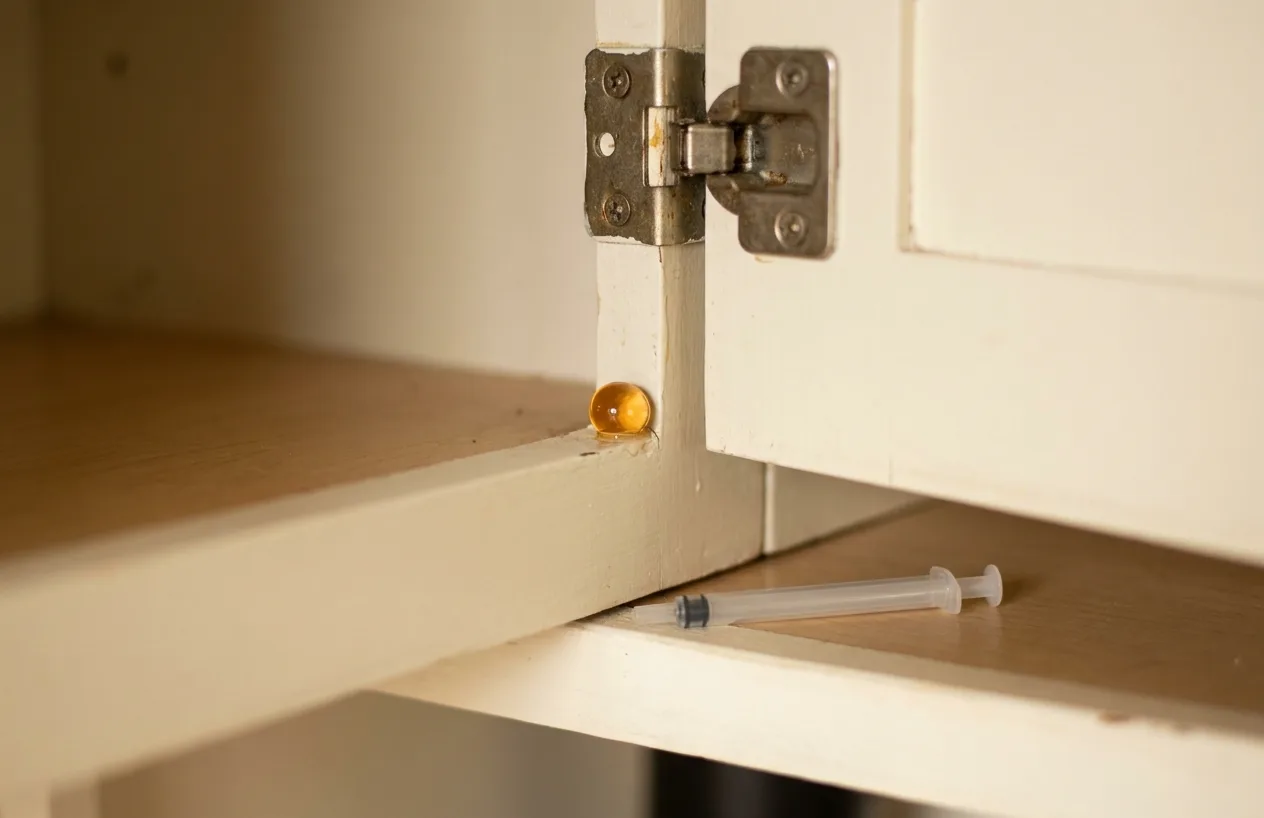
Gel bait is the backbone of German cockroach work. Small placements go where roaches rest — hinge corners, cracks behind splashbacks, appliance motors — not along open surfaces. Roaches feed, return to harbourage and pass the active ingredient on through droppings and contact, reaching insects no spray could touch. Active ingredients in professional baits include fipronil, indoxacarb, abamectin, hydramethylnon, dinotefuran and imidacloprid.
Rotation matters. Some German cockroach populations develop bait aversion — they learn to reject the sugars in a particular bait matrix — and some build resistance to a particular active ingredient. A bait that worked last year can stop working in the same kitchen. The fix is rotating between active-ingredient classes and bait formulations across visits, rather than repeating the same product.
Growth regulators — hydroprene, pyriproxyfen — stop nymphs from becoming breeding adults. They do not kill quickly, but they break the cycle that bait alone keeps chasing. Dry dusts such as boric acid and amorphous silica gel placed in wall voids, behind outlet covers and under appliances stay effective for as long as they stay dry.
Why the supermarket spray made it worse. Most consumer sprays and total-release foggers are repellent pyrethroids. They kill the roaches they hit, and drive the rest deeper into wall voids and into the next apartment. They also contaminate bait placements, so roaches avoid the one thing that would kill them. Do not fog, and do not spray over bait.
For the outdoor species the work is mostly outside and below grade: pulling mulch back several inches from the foundation, sealing gaps at the rim joist and around pipes, fitting door sweeps to basement and garage doors, checking floor-drain traps and correcting damp. A non-repellent perimeter band at the foundation and granular bait in damp harbourage finish the job.
Timing. A German cockroach clean-out in a single house can genuinely be finished, typically across two or three visits spaced two to three weeks apart so the follow-up catches hatchlings from egg cases that were protected at the first visit.
What you can do that helps: fix dripping taps and leaking traps under sinks, because water matters more to a roach than food; store food, pet food and rubbish in sealed containers; do not leave dishes out overnight; wipe grease from behind the cooker; and get cardboard out of the kitchen, since roaches shelter and breed in corrugated edges.
Responsibility, Rentals and What Roaches Cost You
Most detached houses are owner-occupied, so responsibility is simple. It gets more complicated in rented houses, two-families and the garden apartments found across much of suburban New Jersey.
If you rent, keeping the property free of infestation is part of the landlord's maintenance obligation. Tell the landlord in writing and keep a copy. If nothing happens, contact your municipal health department or code enforcement office. In a garden apartment complex, units share walls and plumbing just as in the city, so the treatment has to include the neighbours.
If you are buying, a standard wood-destroying insect inspection does not look for cockroaches. If you are concerned, ask for a general pest inspection, look under the sinks and behind the appliances yourself, and check for droppings in cabinet hinges.
If you run a food business, cockroaches are a health code matter enforced by the local health department, and a written service record showing inspections, findings and corrective action is what an inspector will ask to see.
Why it matters beyond the nuisance. Cockroach droppings, saliva and body fragments carry proteins that are an established asthma trigger, and exposure is associated with asthma symptoms in children in particular in older urban housing. The allergen stays in dust after the roaches are gone, so thorough cleaning after the population is controlled is part of the job, not an optional extra.
General information about the rules as written, not legal advice about your situation. Confirm current requirements with the agency named before relying on them.
Cockroach Control — Common Questions
We only see big dark roaches in the basement. Should we be worried?
Usually those are Oriental or American cockroaches, which breed in damp places outside or in drains and wander in. They rarely establish in the living space. Reducing moisture, sealing the entry points and keeping floor-drain traps full solves most of it.
Can we just use store-bought bait stations?
For one or two roaches seen in a kitchen, it is a reasonable first step. For an established German cockroach population, consumer stations rarely deliver enough bait in the right places, and any spray used alongside them makes them less effective. If you are still seeing roaches after two weeks, it is established.
Where did they come from? We have never had them.
The most common answer is something carried in — a second-hand appliance, delivery boxes, or belongings from a storage unit or shared rental. German cockroaches do not walk in from the garden.
Pest Pressure in West Orange, NJ
West Orange covers about twelve square miles running up and over the First and Second Watchung Mountains, which makes it geographically unlike anywhere else in this part of Essex County. It is hilly, heavily wooded, and a great deal of it borders open reservation land.
South Mountain Reservation — roughly two thousand acres of mature forest — runs along the township's southern and western edge, and Eagle Rock Reservation sits on the ridge above. That is the defining fact about pest pressure here. Properties on or near a reservation boundary get a genuinely different pest list from anywhere in the county's flatter, denser east: blacklegged ticks along the wooded edges and stone walls, a substantial deer population moving those ticks around, and steady pressure from squirrels, raccoons and bats looking for structures to den in.
The township's sections are distinct: Llewellyn Park with its very large historic estates and mature canopy, Pleasantdale and St. Cloud up on the higher ground, Tory Corner and the Main Street corridor as the older commercial core, and Redstone and Gregory with post-war housing. Streams and wet hollows through the reservation land hold water and breed mosquitoes.
West Orange uses ZIP 07052.
What West Orange Buildings Are Made Of
The housing here is predominantly detached single-family on generous, often sloping and wooded lots, and it spans a very wide age range.
In Llewellyn Park and the older sections there are large nineteenth-century and early twentieth-century houses with complex rooflines, deep eaves, slate and tile roofs, porches, and outbuildings. Complex roofs mean many valleys and flashings, and a leak that has been quietly running for years is the classic carpenter ant setup. Large mature trees overhanging roofs give squirrels a direct route to the soffit line.
Through Pleasantdale, St. Cloud, Redstone and Gregory the stock is largely post-war — colonials, splits and ranches on crawlspaces or full basements, many built into the hillside so that one elevation is below grade. A below-grade wall on a wooded slope stays damp, and damp plus wood equals termites and carpenter ants.
Attics matter more here than anywhere in the eastern half of the county. Soffit returns, ridge vents, gable vents and roofline gaps are the entry points, and once wildlife is in an attic the problem includes insulation contamination and, with bats, a legally constrained exclusion season.
The Calls We Get Most in West Orange
Ticks on people and dogs. Properties backing onto South Mountain or Eagle Rock, along the wooded edge and stone walls. Nymphs are the size of a poppy seed and are out from late spring.
Squirrels and raccoons in attics. Soffit returns, roofline gaps and chimney chases, usually noticed at dawn and dusk in late autumn.
Bats in attics and ridge vents. These are protected, and exclusion is not permitted during the maternity season, which surprises most homeowners.
Carpenter ants in the older estate housing. Tracking a long-running roof, gutter or flashing leak.
Termites on the below-grade side of hillside houses. Damp foundation walls and buried wood.
Mosquitoes on wooded lots. Breeding in gutters, corrugated drain pipe, tarps and wet hollows rather than in open water.
Yellowjackets in wall voids and ground nests along walkways in late summer.
Local Rules and Who to Call in West Orange
West Orange's health department and code enforcement handle property maintenance complaints, and the Essex County mosquito control programme treats standing water and catch basins on public land at no charge and responds to reports. Two things are specific to a township like this one. First, wildlife: New Jersey regulates the handling of nuisance wildlife, and bats in particular cannot be excluded during the summer maternity season because it would trap flightless young inside; a contractor who offers to do it in July either does not know the rules or is ignoring them. Second, if you are buying or selling here, the termite inspection is documented on the NPMA-33 form and is a visual inspection of accessible areas only — on a hillside house with a finished lower level, a good deal of the structure is not accessible, and a clean form does not mean what people assume it means.
Areas We Cover in West Orange
- Llewellyn Park
- Pleasantdale
- St. Cloud
- Tory Corner
- Redstone
- Gregory
- Main Street corridor
- South Mountain Reservation edge
- Eagle Rock area
ZIP 07052 covers the township.
West Orange — Local Questions
We back onto the reservation. How worried should we be about ticks?
It is the single most relevant pest issue for a property on that boundary, and the risk is real rather than theoretical. The practical measures that work are a three-foot wood chip or gravel barrier between lawn and woodline, keeping the lawn cut and the leaf litter cleared at the edge, moving play equipment away from the boundary, and treating the transition zone rather than the whole garden. Nymphal ticks in late spring and early summer are the dangerous stage because they are almost too small to see.
There is something in our attic. Can you just remove it now?
It depends what it is. Squirrels and raccoons can be trapped and excluded year round with one-way doors once the entry points are found. Bats cannot — they are protected, and exclusion during the maternity season would seal flightless young inside, which is both illegal and creates a far worse problem. If it is bats, the work is scheduled for the permitted window and we seal everything except the exit points in the meantime.
Cockroach Control Near West Orange
We cover the surrounding towns from the same base, so if you are just outside West Orange the nearest service pages are below.
- Cockroach Control in Orange, NJ 2 mi
- Cockroach Control in Montclair, NJ 2 mi
- Cockroach Control in East Orange, NJ 3 mi
- Cockroach Control in Bloomfield, NJ 3 mi
- Cockroach Control in Belleville, NJ 4 mi
In West Orange we also handle pest control, rodent control, bed bug treatment, termite treatment, and mosquito control. Our main service pages cover cockroach control, termite treatment and mosquito control.
📍 On the map
Seeing Roaches After Dark?
A sighting in daylight usually means the harbourage is already crowded. Book a free estimate before the next generation hatches.
Call About RoachesHow Cockroach Treatment Runs in West Orange
Four stages, from the first sighting to the last empty monitor
Cockroach work is measured, not assumed. This is the sequence a West Orange job follows from your side of the door.