
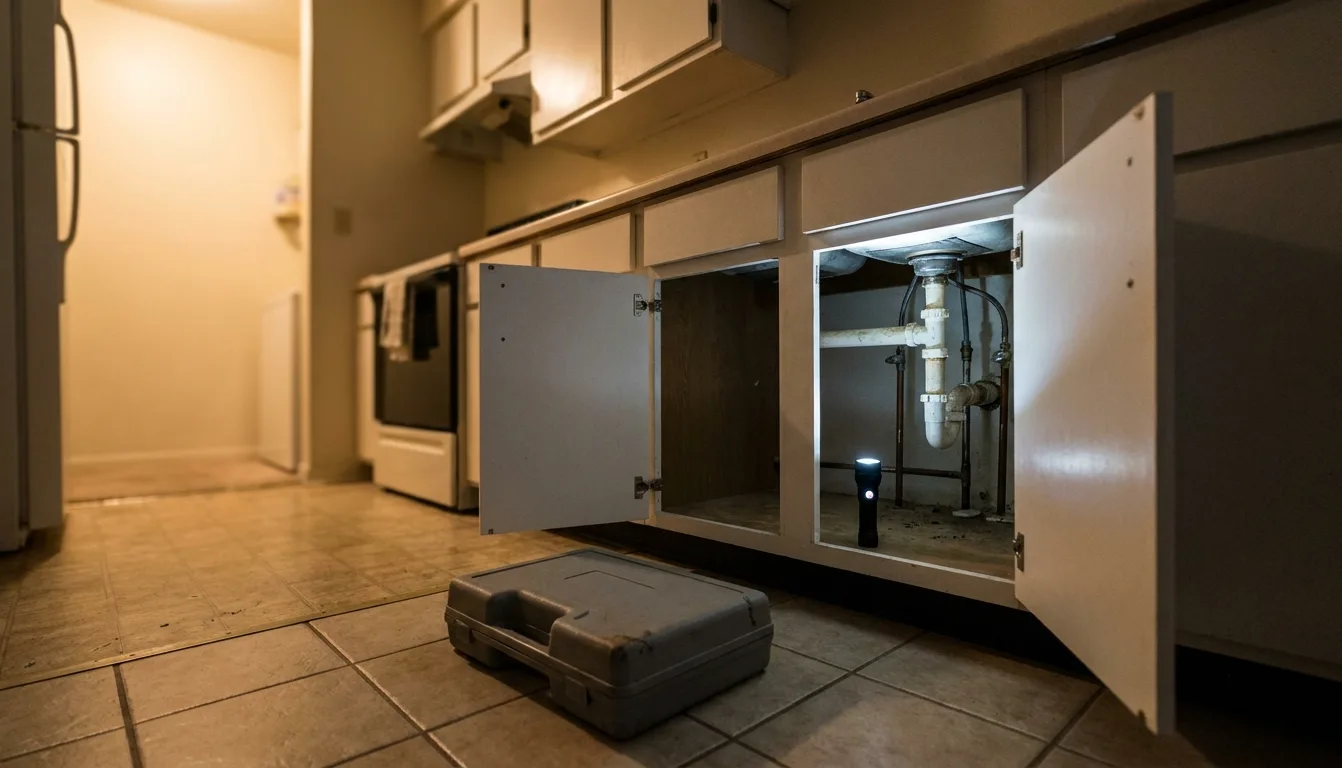
Cockroach Control in Paterson, NJ
Species identification, targeted baiting and sealing for Paterson kitchens, apartments and businesses. Free estimate, written scope.


The Line, Not Just the Unit
German roaches in attached Paterson housing travel the plumbing risers between apartments. We inspect and treat the stacked kitchens and bathrooms on the same line together.
Bait, Not Spray
Gel bait carried back to harbourage reaches roaches no spray touches. Repellent sprays scatter them into the neighbours' walls, which is how an infestation spreads through a building.
Drains and Cellars Checked
The large roaches people call waterbugs come up from sewers through dried floor-drain traps and cellar openings. We check that route before treating the kitchen.
Local Cockroach Control for Paterson Property Owners
We are a pest control company working across Passaic County, and Paterson is one of the places we are called to most often. What follows is what we actually know about cockroach control here — the building types, the conditions that drive it, and the local rules — rather than a page of stock copy with a place name dropped into it.
If something is turning up in your Paterson home or business, call (862) 256-6829 for an inspection. You will get an honest read on what is there and a written estimate before anything is scheduled.
Paterson, NJ at a Glance
Paterson sits in Passaic County at roughly 105 feet above sea level, was first settled around 1792 and is home to about 159,732 people. Those numbers matter more than they look: density, elevation and age of the housing stock are the three things that decide which pests a place actually gets.
| Population | 159,732 (2020 Census) |
|---|---|
| County | Passaic County, NJ |
| Elevation | 105 feet above sea level |
| Founded | 1792 |
| ZIP codes | 07501, 07502, 07503, 07504, 07505, 07509, 07510, 07513, 07514, 07522, 07524, 07533, 07543, 07544 |
Population from the 2020 US Census. Elevation, ZIP and founding data via Wikidata.
Cockroach Risk Factors in Paterson
The indoor cockroach is not weather-driven. The German cockroach — the one that breeds in kitchens and bathrooms — lives its entire life indoors at room temperature, so there is no cold snap that will end it and no quiet season to wait for. What decides risk is the building: shared plumbing, moisture, food and how goods and people move in and out.
- Stacked kitchens on shared risers. Plumbing chases run from the cellar to the roof behind every kitchen and bathroom on the line, and the gaps at each floor are the German cockroach's route between apartments.
- High rental turnover. Every move brings in boxes, appliances and furniture, which is the main way a new population arrives.
- Combined sewers and old drains. Older combined sewer systems carry American cockroaches, and a floor drain whose trap has dried out is an open door into the cellar.
- Food businesses on the ground floor. A restaurant or corner shop below apartments is a food source the whole building shares, whatever the tenants upstairs do.
The genuine seasonal element belongs to the large outdoor-breeding species. American cockroaches come up from sewers and steam lines in hot, humid spells and after heavy rain, and Oriental cockroaches move into damp cellars in spring. A single large roach in August is a different problem from small ones in the kitchen in February.
We cover ZIP 07501, 07502, 07503, 07504, 07505, 07509 across Paterson.
German, American, Oriental or Brown-Banded — Which One You Have
Four species account for almost every call, and they split into two groups that need opposite strategies: one breeds inside your building, the others breed outside it and wander in.
German cockroach (Blattella germanica). Small, about 13 to 16mm, light brown with two dark parallel stripes behind the head. The apartment and restaurant roach. It lives entirely indoors near warmth, food and water — behind refrigerators, under sinks, inside cabinet hinges and appliance motors. A female carries her egg case until it is about to hatch, protecting 30 to 40 eggs from most treatments, which is why populations recover so quickly.
American cockroach (Periplaneta americana). Large, 35 to 40mm, reddish brown, often called a "waterbug" locally. Breeds in sewers, steam tunnels, boiler rooms and wet basements and comes up through floor drains and cellar openings. One seen upstairs means a route from below, not an infested kitchen.
Oriental cockroach (Blatta orientalis). About 25mm, shiny, very dark brown to black, slow-moving and unable to climb smooth surfaces well. Lives in damp cellars, crawlspaces, drains and under mulch, and tolerates cooler conditions than the others — the one you find in a cold basement in spring.
Brown-banded cockroach (Supella longipalpa). Small like the German, but with two pale bands across the wings, and prefers dry, warm, high places — electronics, upper cabinets, picture frames — so kitchen-only treatment misses it.
Signs worth knowing: droppings like ground pepper or coffee grounds along cabinet edges, empty egg cases, shed skins, and a musty, oily smell in heavy infestations.
How Roaches Move Through Attached Housing
In older attached buildings the German cockroach problem is almost never confined to the apartment where it is noticed.
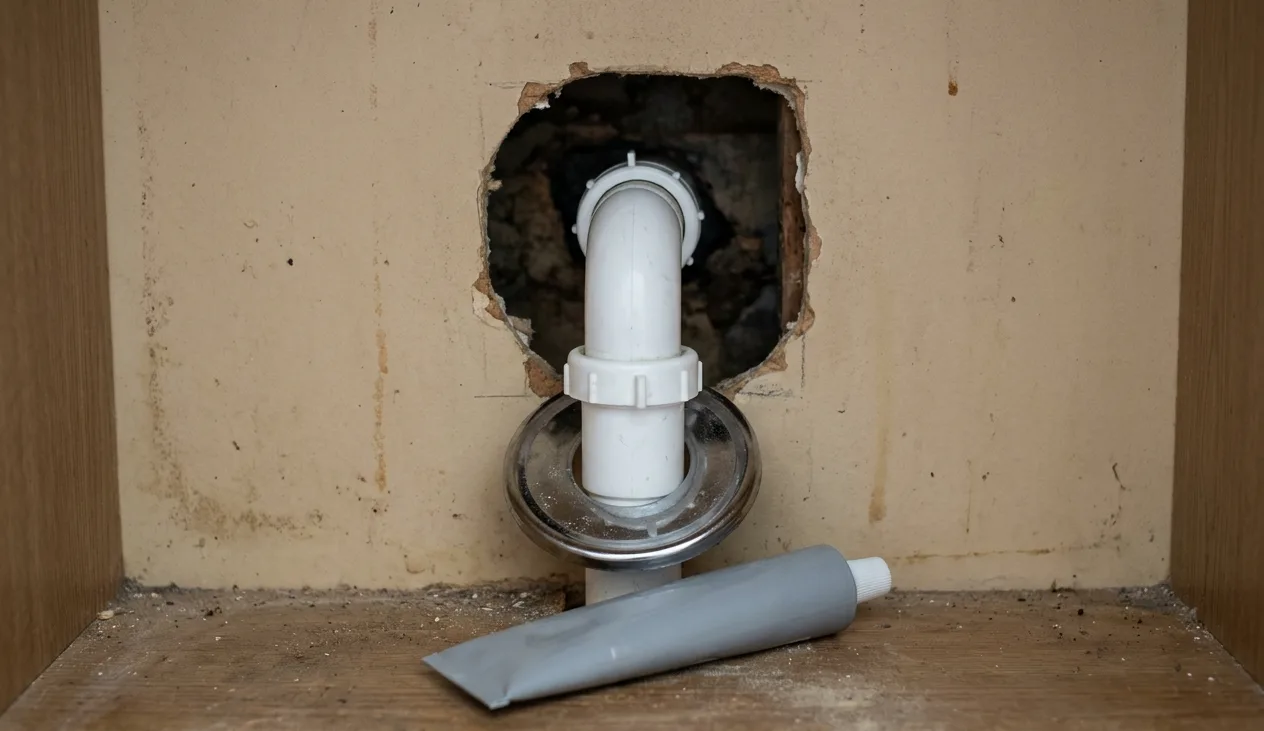
- Plumbing risers. Kitchens and bathrooms stack on the same line, and the pipes run through a shared chase. Where the escutcheon plates are missing — which is most of the time — there is an open gap at every floor.
- Party walls and outlet boxes. Shared walls between row houses and apartments carry roaches through gaps around electrical boxes, cable runs and heating pipes.
- Floor drains and sewer connections. American cockroaches enter cellars through floor drains whose traps have dried out, open clean-outs and cracked laterals, especially in areas served by old combined sewers.
- Deliveries and moves. Corrugated cardboard, second-hand appliances and furniture introduce German cockroaches into buildings that had none.
The practical consequence: when a tenant treats one apartment and the neighbours do nothing, the treated unit is reseeded from the walls within weeks. Treating the whole line of stacked kitchens and bathrooms at the same time is what holds.
What Works, What Order, and What Fails
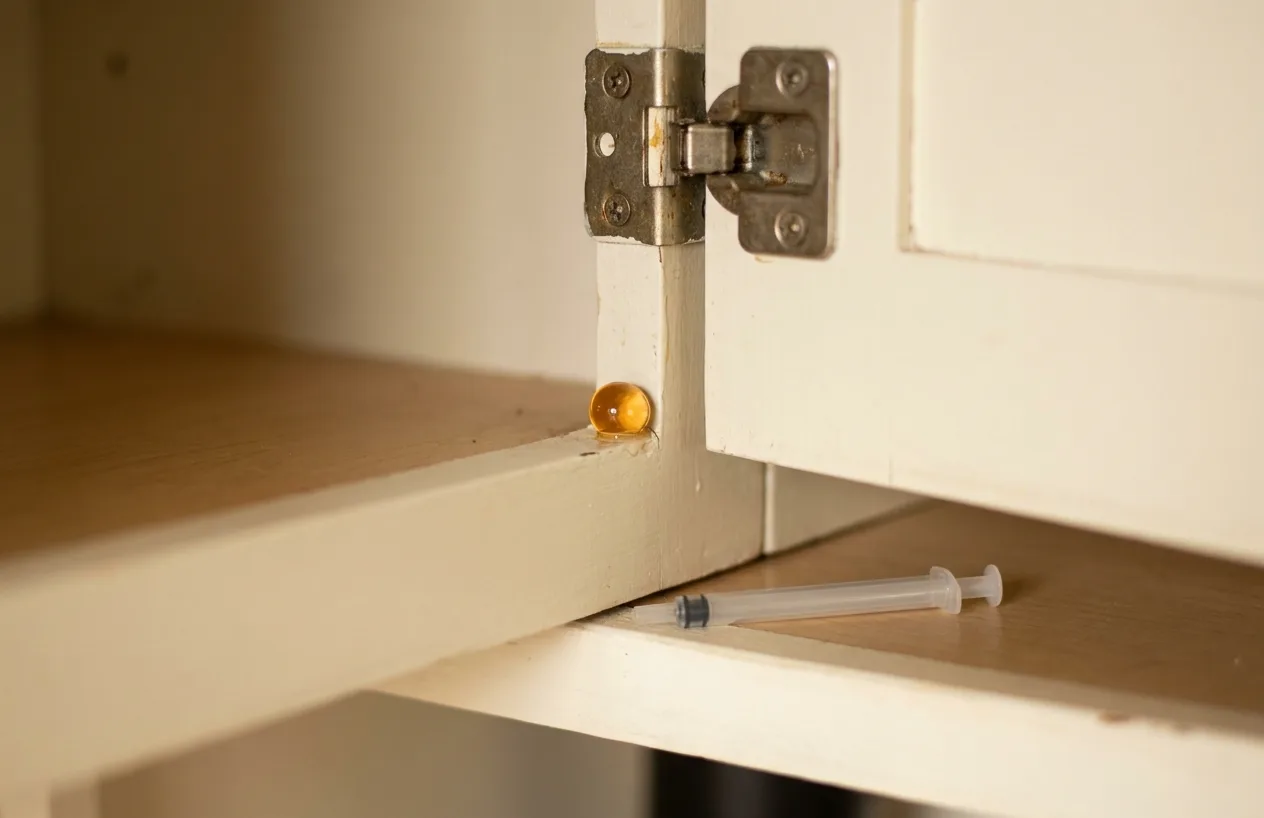
Gel bait is the backbone of German cockroach work. Small placements go where roaches rest — hinge corners, cracks behind splashbacks, appliance motors — not along open surfaces. Roaches feed, return to harbourage and pass the active ingredient on through droppings and contact, reaching insects no spray could touch. Active ingredients in professional baits include fipronil, indoxacarb, abamectin, hydramethylnon, dinotefuran and imidacloprid.
Rotation matters. Some German cockroach populations develop bait aversion — they learn to reject the sugars in a particular bait matrix — and some build resistance to a particular active ingredient. A bait that worked last year can stop working in the same kitchen. The fix is rotating between active-ingredient classes and bait formulations across visits, rather than repeating the same product.
Growth regulators — hydroprene, pyriproxyfen — stop nymphs from becoming breeding adults. They do not kill quickly, but they break the cycle that bait alone keeps chasing. Dry dusts such as boric acid and amorphous silica gel placed in wall voids, behind outlet covers and under appliances stay effective for as long as they stay dry.
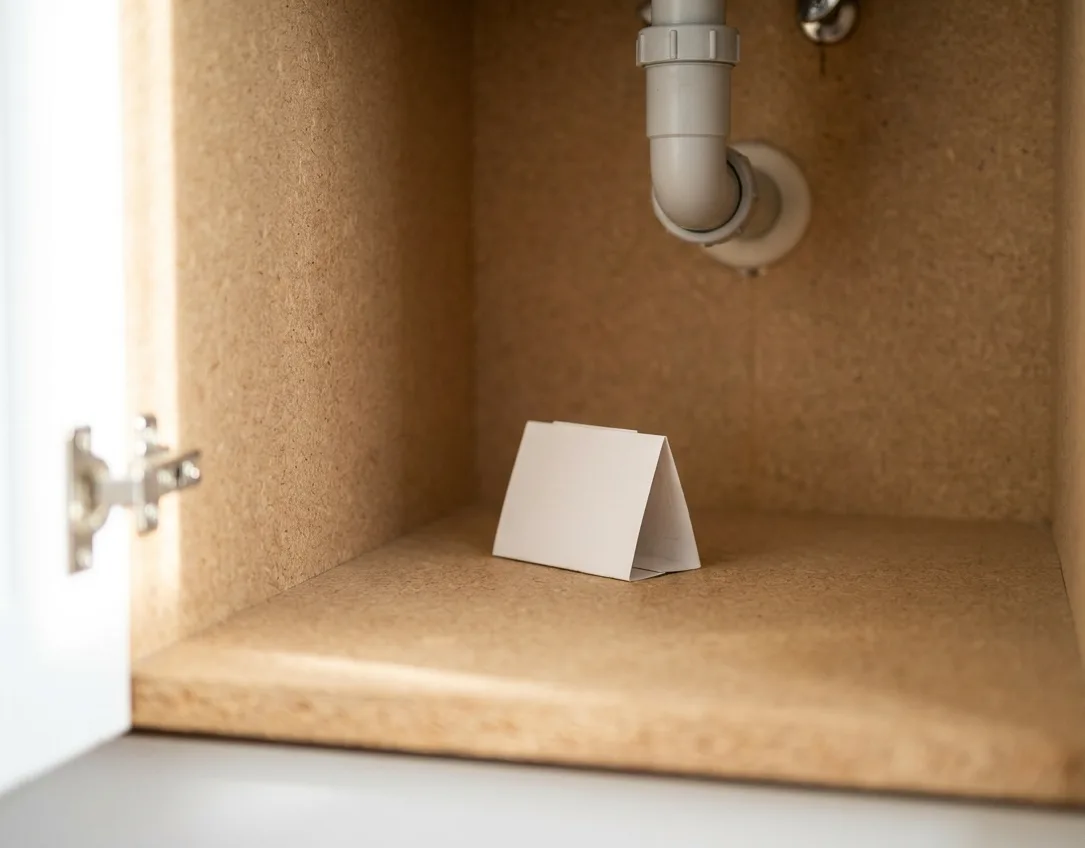
Why the supermarket spray made it worse. Most consumer sprays and total-release foggers are repellent pyrethroids. They kill the roaches they hit, and drive the rest deeper into wall voids and into the next apartment. They also contaminate bait placements, so roaches avoid the one thing that would kill them. Do not fog, and do not spray over bait.
Sealing is the step that lasts. Gaps around pipes under sinks, behind toilets and at radiator lines get closed with sealant or fitted escutcheon plates, which cuts the route from the next apartment as well as the harbourage behind the cabinet.
Timing. Plan on a follow-up visit two to three weeks after the first, when eggs protected at the first visit have hatched. One visit to an established German cockroach population thins it rather than ends it.
What you can do that helps: fix dripping taps and leaking traps under sinks, because water matters more to a roach than food; store food, pet food and rubbish in sealed containers; do not leave dishes out overnight; wipe grease from behind the cooker; and get cardboard out of the kitchen, since roaches shelter and breed in corrugated edges.
Roaches in Rentals — Who Is Responsible and What It Costs You
In multi-family housing a German cockroach infestation is a building condition, not a tenant failing, and it is rarely solved one apartment at a time.
If you rent in New Jersey, keeping a rental free of insect infestation is part of the owner's maintenance obligation. Report it to the landlord in writing, keep a copy, and note the dates you see activity. If it is not dealt with, your municipal health department or code enforcement office is the first route, and registered multiple dwellings are also inspected on a cycle by the New Jersey Department of Community Affairs, Bureau of Housing Inspection.
If you own or manage the building, treat by line and floor rather than by complaint. Get access to the neighbouring units on the same day, include the cellar, refuse area and any ground-floor food business, and keep a written record of what was found and done at each visit. Tenants will usually co-operate when they are told why their kitchen is on the list.
Why it matters beyond the nuisance. Cockroach droppings, saliva and body fragments carry proteins that are an established asthma trigger, and exposure is associated with asthma symptoms in children in particular in older urban housing. The allergen stays in dust after the roaches are gone, so thorough cleaning after the population is controlled is part of the job, not an optional extra.
General information about the rules as written, not legal advice about your situation. Confirm current requirements with the agency named before relying on them.
Cockroach Control — Common Questions
I keep my kitchen spotless. Why do I have roaches?
Because in attached housing the roaches are often coming from the walls, not your kitchen. German cockroaches travel between units along plumbing lines and shared walls, and they need very little food. Cleanliness helps treatment work, but it does not stop a population next door from moving in.
I saw one huge roach in the bathroom. Is my apartment infested?
Probably not. A single large reddish-brown roach is usually an American cockroach that came up from the sewer or cellar through a drain. The fix is at the drain — keep traps full of water and have the cellar checked — rather than a full kitchen treatment.
How long does it take?
For a single unit with active neighbours sealed off and treated at the same time, usually two to three visits over four to six weeks. Where the rest of the line is untreated, expect it to take longer and to come back, which is why we push for building-level work.
Pest Pressure in Paterson, NJ
Paterson is the third-largest city in New Jersey and the oldest planned industrial city in the country, and both facts are visible in its pest pattern. Roughly 160,000 people live in about eight and a half square miles, in housing that is on average among the oldest in the state.
The Passaic River and the Great Falls run through the middle of it, and the raceway and mill district around them left a legacy of stone-walled channels, culverts and heavy masonry that gives Norway rats harborage no interior treatment reaches. The river's low ground floods, and Paterson's flood history along the Riverside and Northside corridors is severe enough to have removed whole blocks of housing.
The wards read differently. Downtown and the Main Street and Market Street corridors carry dense retail and food business with kerbside refuse. South Paterson along Main Street has one of the densest restaurant and bakery concentrations in the state. Eastside, People's Park, Sandy Hill and Hillcrest are dense residential; the Totowa section and parts of the northwest sit higher and drier.
An ageing combined sewer system surcharges in heavy rain across much of the city. Paterson uses ZIPs 07501 through 07524.
What Paterson Buildings Are Made Of
Paterson's housing is old, dense and predominantly multi-family. The characteristic building is a two-, three- or four-family frame house from before 1930, on a narrow lot, with a party wall or a gap too tight to walk down, and there is a substantial stock of converted mill buildings and pre-war brick apartment blocks.
Balloon framing is widespread. The wall cavity runs from sill plate to attic with no fire-stopping, so a mouse entering at grade is heard on the top floor, and treatments aimed at where the noise is rather than where the entry is accomplish nothing.
Stacked kitchens and bathrooms share plumbing risers running cellar to roof, and the escutcheon plates around those penetrations are missing in most of this stock. That open gap at every floor is the German cockroach and bed bug route between units, and it is the single most common reason treatments here fail.
Cellars are unfinished with floor drains tied into old laterals, giving American cockroach a base under the whole building. The converted mill buildings have very large open volumes, exposed structure and utility runs that were never designed to be sealed.
Cockroach allergen is a documented asthma trigger, and in a city with this housing profile that is a health issue rather than a nuisance.
The Calls We Get Most in Paterson
German cockroach through an entire multi-family house. All floors, shared riser. Partial treatment is the standard failure here.
Rats in the mill district, along the raceways and behind the Main and Market Street food businesses. Masonry harborage plus kerbside refuse.
Water bugs in cellars after rain. Combined sewer surcharge into dried floor drain traps, city-wide.
Mice heard on upper floors with entry at the foundation. Balloon framing.
Bed bugs in high-turnover rentals spreading between attached units through wall voids and outlet boxes.
Basement pests and rodents after flooding in the riverside corridors.
Rats on vacant and cleared parcels — harborage nobody is responsible for.
Local Rules and Who to Call in Paterson
Paterson's Division of Health and its code enforcement office handle pest and property maintenance complaints, including conditions on vacant properties, which is worth using because an unmaintained parcel next door will defeat good work on your own. Rental buildings of five units or more are registered under New Jersey's Hotel and Multiple Dwelling Law and inspected on a cycle by the New Jersey Department of Community Affairs, Bureau of Housing Inspection, giving tenants a state route alongside the municipal one. With a very high rental share and considerable absentee ownership, the written record is what matters: report to the owner in writing, keep the copy, and escalate to both the city and the state if nothing follows. For mosquitoes, the Passaic County mosquito control programme treats catch basins and public-side standing water at no charge.
Areas We Cover in Paterson
- Downtown
- South Paterson
- Eastside
- Riverside
- Northside
- People's Park
- Sandy Hill
- Hillcrest
- Totowa section
- Great Falls and mill district
ZIPs 07501 through 07524.
Paterson — Local Questions
The landlord treated one apartment. Why is it back?
Because in Paterson's multi-family stock the apartments share plumbing risers and continuous wall voids, so the population is living in the chase between units rather than in any one kitchen. Whichever apartment is not treated acts as a reservoir and reseeds the treated one within weeks. Every occupied unit needs treating on the same day, with the riser penetrations sealed as part of the work.
Is a roach problem actually a health issue or just unpleasant?
It is a genuine health issue. Cockroach allergen is a well-documented asthma trigger, and in housing of this age and density the exposure is continuous rather than occasional. That matters for how you pursue it: a persistent infestation in a rental is a habitability and maintenance condition, not a matter of preference, and it is worth documenting in writing with that framing.
Cockroach Control Near Paterson
We cover the surrounding towns from the same base, so if you are just outside Paterson the nearest service pages are below.
- Cockroach Control in Fair Lawn, NJ 3 mi
- Cockroach Control in Clifton, NJ 4 mi
- Cockroach Control in Garfield, NJ 4 mi
- Cockroach Control in Wayne, NJ 4 mi
- Cockroach Control in Passaic, NJ 5 mi
In Paterson we also handle pest control, rodent control, bed bug treatment, termite treatment, and mosquito control. Our main service pages cover cockroach control, termite treatment and mosquito control.
📍 On the map
Seeing Roaches After Dark?
A sighting in daylight usually means the harbourage is already crowded. Book a free estimate before the next generation hatches.
Call About RoachesHow Cockroach Treatment Runs in Paterson
Four stages, from the first sighting to the last empty monitor
Cockroach work is measured, not assumed. This is the sequence a Paterson job follows from your side of the door.