
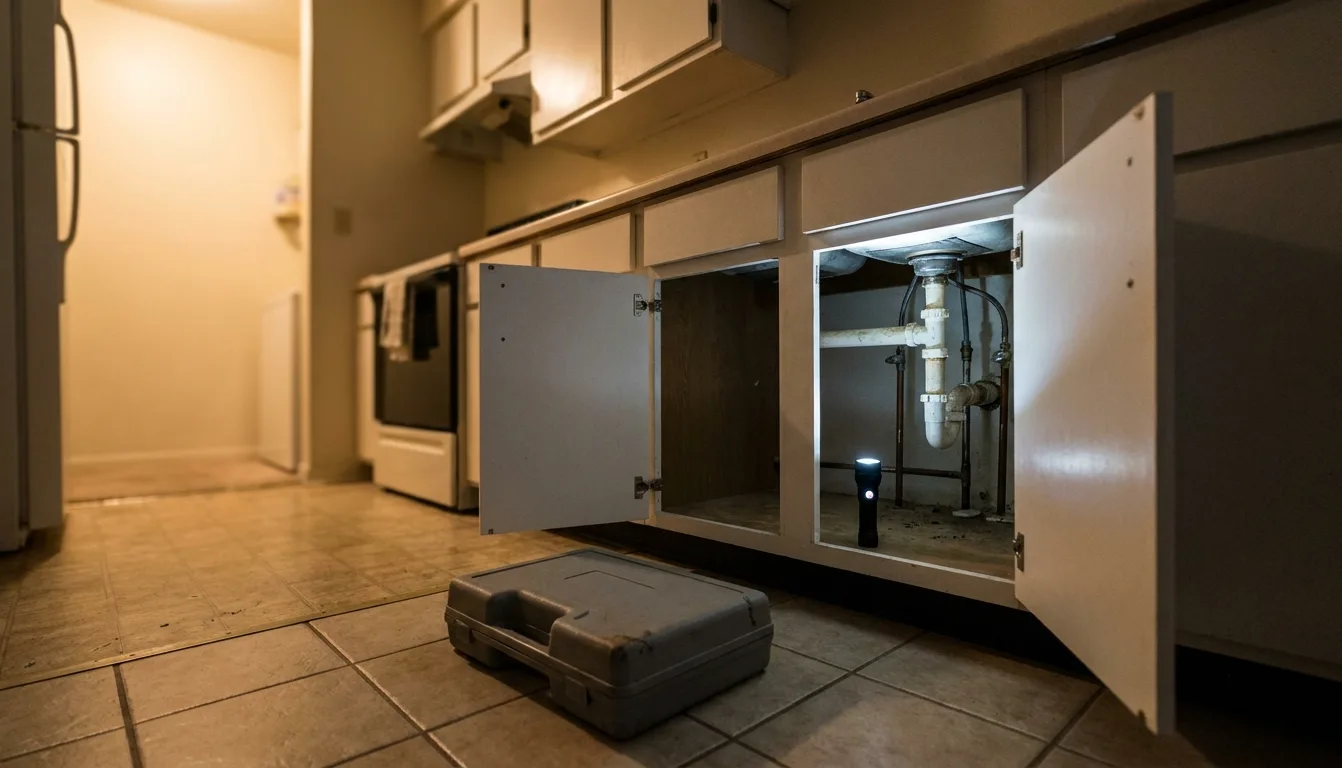
Cockroach Control in Manhattan, NY
Species identification, targeted baiting and sealing for Manhattan kitchens, apartments and businesses. Free estimate, written scope.


Building-Wide, Line by Line
In a Manhattan multiple dwelling the building is the treatment unit. We work the vertical line of kitchens and bathrooms, the compactor room and the cellar together.
Integrated Pest Management
Sealing riser gaps, fixing leaks and removing harbourage before reaching for product — the approach the city's indoor allergen hazard law expects of owners.
Written Records for HPD and Boards
A written inspection report naming species, locations and treatment per visit is the owner's record and the tenant's evidence in a regulated building.
Local Cockroach Control for Manhattan Property Owners
We are a pest control company working across New York County, and Manhattan is one of the places we are called to most often. What follows is what we actually know about cockroach control here — the building types, the conditions that drive it, and the local rules — rather than a page of stock copy with a place name dropped into it.
If something is turning up in your Manhattan home or business, call (862) 256-6829 for an inspection. You will get an honest read on what is there and a written estimate before anything is scheduled.
Manhattan, NY at a Glance
Manhattan sits in New York County at roughly 279 feet above sea level, was first settled around 1624 and is home to about 1,694,251 people. Those numbers matter more than they look: density, elevation and age of the housing stock are the three things that decide which pests a place actually gets.
| Population | 1,694,251 (2020 Census) |
|---|---|
| County | New York County, NY |
| Elevation | 279 feet above sea level |
| Founded | 1624 |
| ZIP codes | 10001, 10002, 10003, 10004, 10005, 10006, 10007, 10008, 10009, 10010, 10011, 10012, 10013, 10014 and others |
Population from the 2020 US Census. Elevation, ZIP and founding data via Wikidata.
Cockroach Risk Factors in Manhattan
The indoor cockroach is not weather-driven. The German cockroach — the one that breeds in kitchens and bathrooms — lives its entire life indoors at room temperature, so there is no cold snap that will end it and no quiet season to wait for. What decides risk is the building: shared plumbing, moisture, food and how goods and people move in and out.
- Multiple dwellings on common chases. Risers, compactor chutes and shared walls connect every apartment on a line. A population in one kitchen is a live risk to the kitchens above and below.
- Steam lines and warm cellars. Boiler rooms, steam pipes and heated cellars keep American cockroaches active through the whole winter in older buildings.
- Refuse rooms and compactors. Food waste, warmth and a vertical shaft together — the most productive harbourage in a residential building.
- The indoor allergen hazard law applies. Owners of multiple dwellings must inspect for cockroaches annually and at turnover and correct the conditions using integrated pest management. Ask what was done.
The genuine seasonal element belongs to the large outdoor-breeding species. American cockroaches come up from sewers and steam lines in hot, humid spells and after heavy rain, and Oriental cockroaches move into damp cellars in spring. A single large roach in August is a different problem from small ones in the kitchen in February.
We cover ZIP 10001, 10002, 10003, 10004, 10005, 10006 across Manhattan.
German, American, Oriental or Brown-Banded — Which One You Have
Four species account for almost every call, and they split into two groups that need opposite strategies: one breeds inside your building, the others breed outside it and wander in.
German cockroach (Blattella germanica). Small, about 13 to 16mm, light brown with two dark parallel stripes behind the head. The apartment and restaurant roach. It lives entirely indoors near warmth, food and water — behind refrigerators, under sinks, inside cabinet hinges and appliance motors. A female carries her egg case until it is about to hatch, protecting 30 to 40 eggs from most treatments, which is why populations recover so quickly.
American cockroach (Periplaneta americana). Large, 35 to 40mm, reddish brown, often called a "waterbug" locally. Breeds in sewers, steam tunnels, boiler rooms and wet basements and comes up through floor drains and cellar openings. One seen upstairs means a route from below, not an infested kitchen.
Oriental cockroach (Blatta orientalis). About 25mm, shiny, very dark brown to black, slow-moving and unable to climb smooth surfaces well. Lives in damp cellars, crawlspaces, drains and under mulch, and tolerates cooler conditions than the others — the one you find in a cold basement in spring.
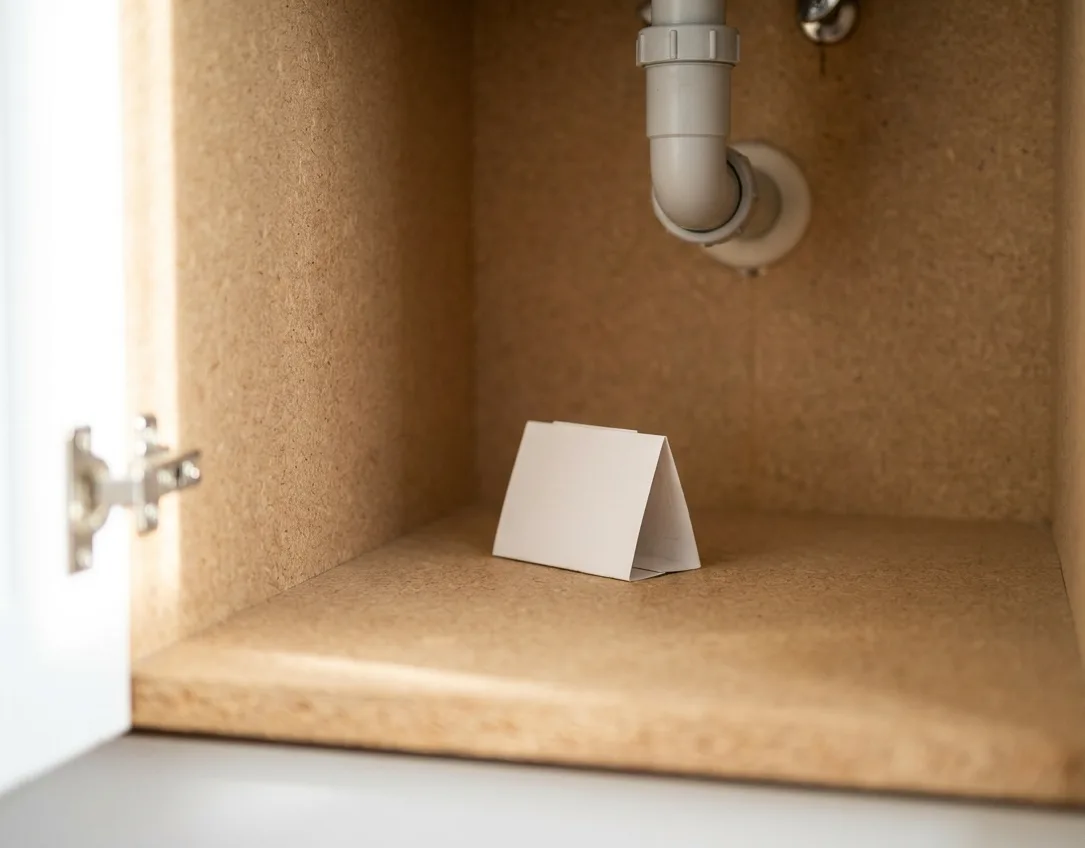
Brown-banded cockroach (Supella longipalpa). Small like the German, but with two pale bands across the wings, and prefers dry, warm, high places — electronics, upper cabinets, picture frames — so kitchen-only treatment misses it.
Signs worth knowing: droppings like ground pepper or coffee grounds along cabinet edges, empty egg cases, shed skins, and a musty, oily smell in heavy infestations.
How Roaches Move Through a New York Building
In New York the German cockroach problem is a building problem. Its routes are almost entirely internal and vertical.
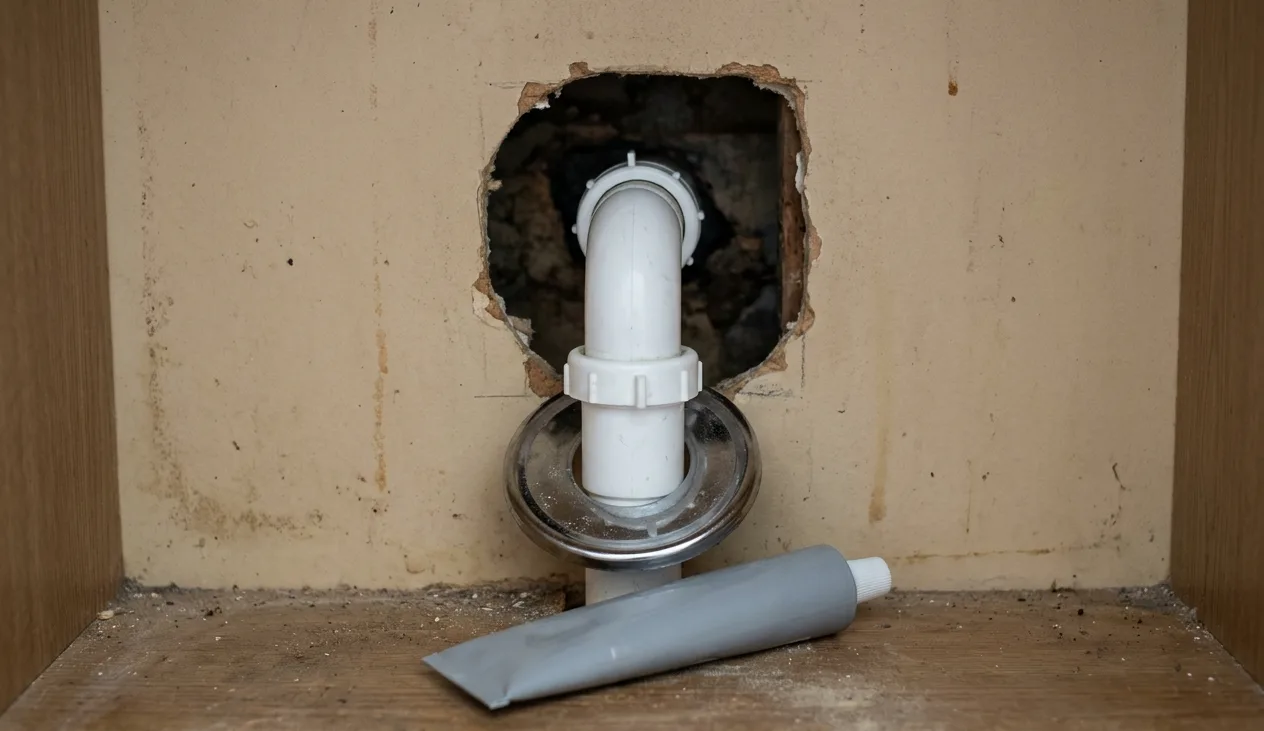
- Risers and plumbing chases. Kitchens and bathrooms stack from cellar to roof on common chases, and the escutcheon plates around the pipes at each floor are usually missing. That open ring around the pipe is a highway between apartments.
- Compactor chutes and refuse rooms. Food waste, warmth and a vertical shaft together make the most productive harbourage in a residential building.
- Steam lines and boiler rooms. American cockroaches live in sewers, steam tunnels and warm cellars and stay active all winter in buildings with steam heat. They reach upper floors along pipe runs.
- Ground-floor commercial space. Restaurants, delis and grocers below apartments share walls, drains and refuse areas with the building.
Treating one apartment on an infested line is money spent on a delay. The treated unit is reseeded from the chase within weeks, which is why the unit of treatment here is the line — the stacked kitchens and bathrooms, plus the cellar and compactor room.
What Works, What Order, and What Fails
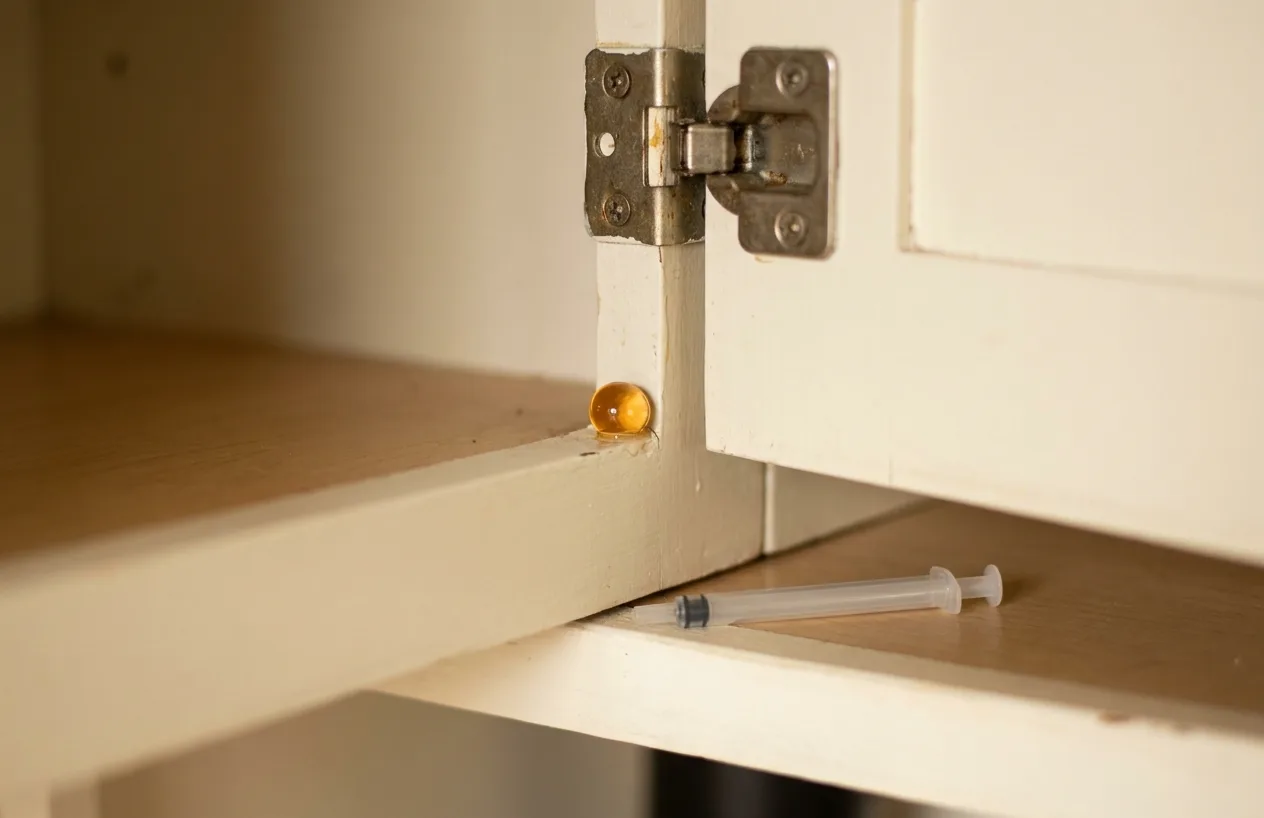
Gel bait is the backbone of German cockroach work. Small placements go where roaches rest — hinge corners, cracks behind splashbacks, appliance motors — not along open surfaces. Roaches feed, return to harbourage and pass the active ingredient on through droppings and contact, reaching insects no spray could touch. Active ingredients in professional baits include fipronil, indoxacarb, abamectin, hydramethylnon, dinotefuran and imidacloprid.
Rotation matters. Some German cockroach populations develop bait aversion — they learn to reject the sugars in a particular bait matrix — and some build resistance to a particular active ingredient. A bait that worked last year can stop working in the same kitchen. The fix is rotating between active-ingredient classes and bait formulations across visits, rather than repeating the same product.
Growth regulators — hydroprene, pyriproxyfen — stop nymphs from becoming breeding adults. They do not kill quickly, but they break the cycle that bait alone keeps chasing. Dry dusts such as boric acid and amorphous silica gel placed in wall voids, behind outlet covers and under appliances stay effective for as long as they stay dry.
Why the supermarket spray made it worse. Most consumer sprays and total-release foggers are repellent pyrethroids. They kill the roaches they hit, and drive the rest deeper into wall voids and into the next apartment. They also contaminate bait placements, so roaches avoid the one thing that would kill them. Do not fog, and do not spray over bait.
Sealing is the step the law expects. Fitting escutcheon plates, sealing gaps around risers, radiator pipes and cable runs, and fixing leaks under sinks remove both the routes and the harbourage. It is also what integrated pest management means in practice — correcting the condition, not just applying product.
Timing. A building-line treatment typically runs two to three visits spaced two to three weeks apart, with monitoring traps left in place to show whether activity is falling on every floor.
What you can do that helps: fix dripping taps and leaking traps under sinks, because water matters more to a roach than food; store food, pet food and rubbish in sealed containers; do not leave dishes out overnight; wipe grease from behind the cooker; and get cardboard out of the kitchen, since roaches shelter and breed in corrugated edges.
The Rules — and How to Use Them
Cockroaches in a New York City multiple dwelling are the owner's responsibility, and the city's framework is stronger than anywhere else in the region.
The indoor allergen hazard law — Local Law 55 of 2018 — names cockroaches alongside mice and rats. Owners of multiple dwellings must inspect units for indoor allergen hazards at least once a year and at every unit turnover, remediate using integrated pest management, and correct the underlying conditions: sealing holes and gaps, fixing leaks and removing harbourage, rather than simply spraying.
If you are a tenant, report the problem to the owner or managing agent in writing and keep the copy. If it is not corrected, file a 311 complaint; HPD inspects and can issue a violation with a correction deadline.
If you sit on a co-op or condo board, risers, chases, compactor rooms and cellars are common elements. A written building-wide inspection report is what turns individual complaints into a maintenance decision with a budget line.
If you run a food business, cockroaches are a violation in a Health Department restaurant inspection, and the inspector will want a written service record showing what was found and done.
Why it matters beyond the nuisance. Cockroach droppings, saliva and body fragments carry proteins that are an established asthma trigger, and exposure is associated with asthma symptoms in children in particular in older urban housing. The allergen stays in dust after the roaches are gone, so thorough cleaning after the population is controlled is part of the job, not an optional extra.
General information about the rules as written, not legal advice about your situation. Confirm current requirements with the agency named before relying on them.
Cockroach Control — Common Questions
We live on the eighth floor. How are roaches getting up here?
Through the building, not from outside. They travel the plumbing chases and compactor chute, and the gaps around pipes at each floor let them into kitchens and bathrooms all the way up the line. Sealing your own pipe gaps helps; treating and sealing the whole line is what resolves it.
The super sprays every month. Why are they still here?
Because repellent sprays kill the roaches they touch and push the rest into the walls and neighbouring apartments. German cockroaches are controlled with bait placed in harbourage, growth regulators and sealing — and the city's allergen law expects that integrated approach from owners.
Are cockroaches really a health issue?
Yes. Cockroach allergen is an established asthma trigger, particularly for children, which is why New York City regulates cockroaches in housing under its indoor allergen hazard law. If someone in your household has asthma, say so in your written complaint.
Pest Pressure in Manhattan, NY
Manhattan is the densest place in the United States and its pest environment reflects that at every level: the highest concentration of food service anywhere in the country, a sewer and steam system that is well over a century old in much of the island, and a subway network that connects basements to each other underground.
Rat pressure is set by the food supply and by construction. Restaurant density along essentially every avenue, plus continuous construction and street work opening and disturbing burrow systems, means Norway rat pressure tracks blocks and seasons rather than individual buildings. East Harlem and Central Harlem fall within designated Rat Mitigation Zones, where the city runs coordinated neighbourhood abatement.
Housing conditions vary sharply by neighbourhood. The Lower East Side, East Village, Chinatown, Hell's Kitchen, Washington Heights and Harlem carry the oldest and densest tenement and pre-war walk-up stock. The Upper East and Upper West Sides mix pre-war co-ops with post-war towers. Midtown, the Financial District and the newer waterfront towers are high-rise with mechanical systems as the pest routes.
Manhattan ZIP codes run across 100xx, 101xx and 10025 through 10040 uptown.
What Manhattan Buildings Are Made Of
The tenement and pre-war walk-up is the defining Manhattan structure for pest purposes. Five- and six-storey buildings with stacked kitchens and bathrooms served by common plumbing risers running cellar to roof, air shafts, continuous party walls with the buildings either side, and cellars that frequently connect or adjoin.
The riser penetrations decide most outcomes. In the great majority of these buildings the escutcheon plates are missing, leaving an open annular gap at every floor. German cockroaches, mice and bed bugs all use it, and it is the reason a technically perfect single-apartment treatment can fail within three weeks. Sealing the chase throughout a building is routinely the highest-value work available and it is almost never what gets quoted.
Older buildings connected to the steam system have additional penetrations and warm voids that support activity year round. Compactor chutes in the mid-century towers breed drain and phorid flies in the film on the chute wall.
Doorman and post-war towers move the problem to the loading dock, the trash room, the compactor and the service corridor. Ground-floor commercial — particularly restaurants with residential units above — is one of the most reliable sources of building-wide roach populations in the borough.
The Calls We Get Most in Manhattan
German cockroach through a full vertical line of a walk-up. Shared kitchen risers, and the defining serious call in Manhattan.
Roaches from a ground-floor restaurant into the apartments above. Extremely common and rarely addressed as one problem.
Bed bugs between adjoining apartments. Wall voids and outlet boxes, with high turnover accelerating spread.
Mice on high floors. Riser chases and service corridors, often nesting on the top floor.
American cockroach up cellar and ground-floor drains. Sewer and steam-tunnel populations.
Rats in rear courtyards, tree pits and around construction. Especially in the Rat Mitigation Zones.
Compactor and chute flies in mid-century towers.
Local Rules and Who to Call in Manhattan
Pests in a Manhattan multiple dwelling are the owner's responsibility. Report in writing to the owner or managing agent, keep the copy, and file a 311 complaint if it is not corrected so that HPD inspects and a violation is recorded. The strongest provision to cite is the indoor allergen hazard law, which obliges owners to inspect for cockroaches, mice and rats annually and at unit turnover, to remediate using integrated pest management, and to correct underlying conditions rather than spray repeatedly.
Before signing a lease, ask for the building's annual bed bug infestation history — owners are required to provide it and to file it with the city, and it tells you something a viewing never will.
If you are on a co-op board, note that risers, chases, chutes and corridors are common elements and therefore the corporation's responsibility. A written building-wide inspection report is what converts this from a series of individual complaints into a capital and maintenance decision.
Areas We Cover in Manhattan
- Lower East Side
- East Village
- Chinatown
- Hell's Kitchen
- Upper East Side
- Upper West Side
- Harlem
- East Harlem
- Washington Heights
- Inwood
- Midtown
- Financial District
ZIPs across 100xx, 101xx and 10025 through 10040.
Manhattan — Local Questions
There is a restaurant on the ground floor and we have roaches upstairs. Connected?
Almost certainly, and it is one of the most common patterns in the borough. A commercial kitchen provides continuous food, warmth and harborage, and the plumbing and utility penetrations between the commercial space and the residential floors give a direct route upward. Treating the apartments alone will never hold. The building has to be handled as one system, with the commercial space treated and the penetrations between it and the residential floors sealed — and that is the owner's responsibility, not yours.
How do I find out if a building has had bed bugs before I sign?
Ask for the annual bed bug infestation history. Owners of multiple dwellings in New York City are required to provide tenants with the building's bed bug history and to file it with the city, so it exists whether or not it is volunteered. Requesting it is normal, and a landlord or agent who is reluctant to produce it has told you something useful.
Cockroach Control Near Manhattan
We cover the surrounding towns from the same base, so if you are just outside Manhattan the nearest service pages are below.
- Cockroach Control in Hoboken, NJ 2 mi
- Cockroach Control in Union City, NJ 3 mi
- Cockroach Control in West New York, NJ 4 mi
- Cockroach Control in North Bergen, NJ 5 mi
- Cockroach Control in Brooklyn, NY 6 mi
In Manhattan we also handle pest control, rodent control, bed bug treatment, termite treatment, and mosquito control. Our main service pages cover cockroach control, termite treatment and mosquito control.
📍 On the map
Seeing Roaches After Dark?
A sighting in daylight usually means the harbourage is already crowded. Book a free estimate before the next generation hatches.
Call About RoachesHow Cockroach Treatment Runs in Manhattan
Four stages, from the first sighting to the last empty monitor
Cockroach work is measured, not assumed. This is the sequence a Manhattan job follows from your side of the door.